

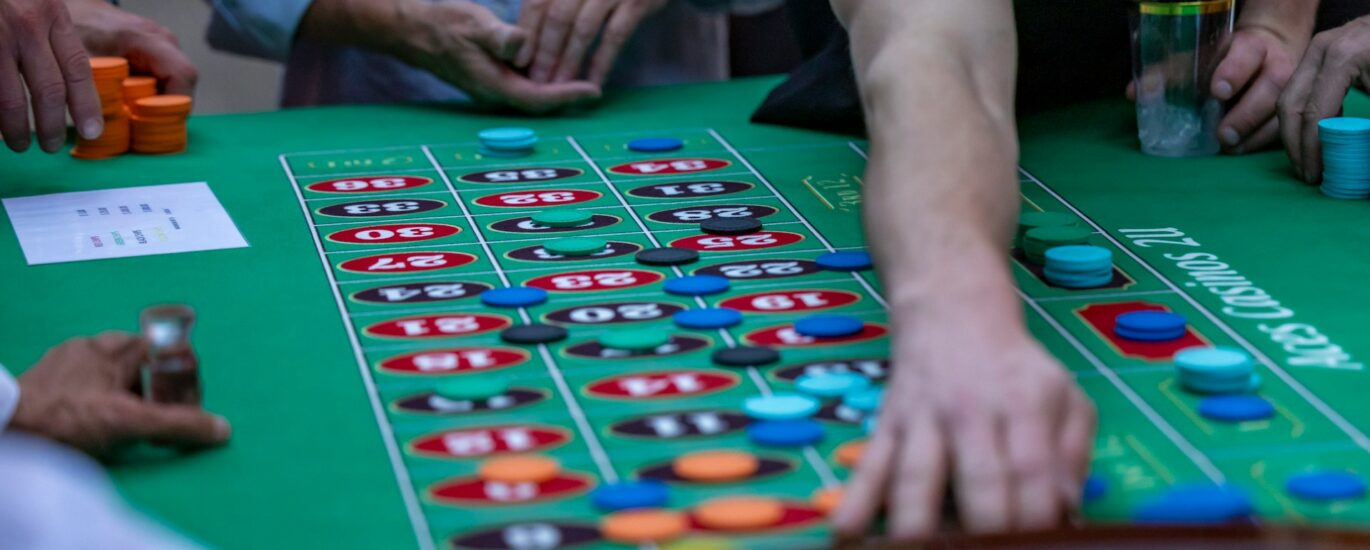
Bright lights, ringing chimes, spinning wheels, and stacked chips create an atmosphere charged with anticipation. Yet beneath the glamour and spectacle lies a quieter truth: casino games are governed by mathematics. Every wager carries a built-in house edge, and that slim percentage determines how much a casino expects to retain over time. For players who prefer strategy over pure impulse, understanding odds becomes essential. Popular Casino Games with the Best Odds for Players are those where the house advantage is comparatively low, giving participants a stronger statistical position. While luck remains unpredictable, informed choices can shift the long-term balance slightly closer to the player’s side, offering a more calculated gaming experience.
Blackjack
 Blackjack consistently ranks as one of the most favorable games in a casino environment. When basic strategy is followed, the house edge can drop to around 0.5% in many standard versions. Unlike games based purely on chance, blackjack incorporates decision-making. Players choose whether to hit, stand, double down, or split pairs. These choices influence outcomes and, when executed with discipline, reduce the casino’s advantage.
Rule variations matter. Fewer decks, dealer stands on soft 17, and the ability to double after splitting can slightly improve player odds. While card counting is often dramatized, even simple strategy charts can significantly improve performance compared to random play. Blackjack appeals to those who enjoy a blend of probability and tactical thinking.
Baccarat
Baccarat may appear exclusive, often associated with high-limit tables and formal settings, but its rules are straightforward. The game offers three primary betting options: Player, Banker, and Tie. Statistically, betting on the Banker hand provides one of the lowest house edges in the casino, typically around 1.06%, even after the commission is applied. The Tie bet, by contrast, carries a much higher house advantage and is generally less favorable. For individuals seeking minimal decision-making combined with steady odds, baccarat offers simplicity. There are no strategic adjustments required after placing a wager. The outcome depends entirely on predetermined drawing rules, which removes guesswork and reduces emotional interference.
Craps (Certain Bets)
Craps can look intimidating due to its busy table layout and energetic crowd, yet certain bets within the game provide excellent value. The Pass Line and Don’t Pass bets carry house edges close to 1.41%, making them relatively player-friendly. Even stronger odds appear when players take advantage of “odds bets,” which are additional wagers placed behind a Pass or Don’t Pass bet after a point is established. These odds bets typically have zero house edge, meaning the payout reflects true mathematical probability. Although the overall result still includes the base wager’s edge, incorporating odds bets improves the average return. Avoiding high-edge proposition bets is key to maintaining favorable conditions.
European Roulette
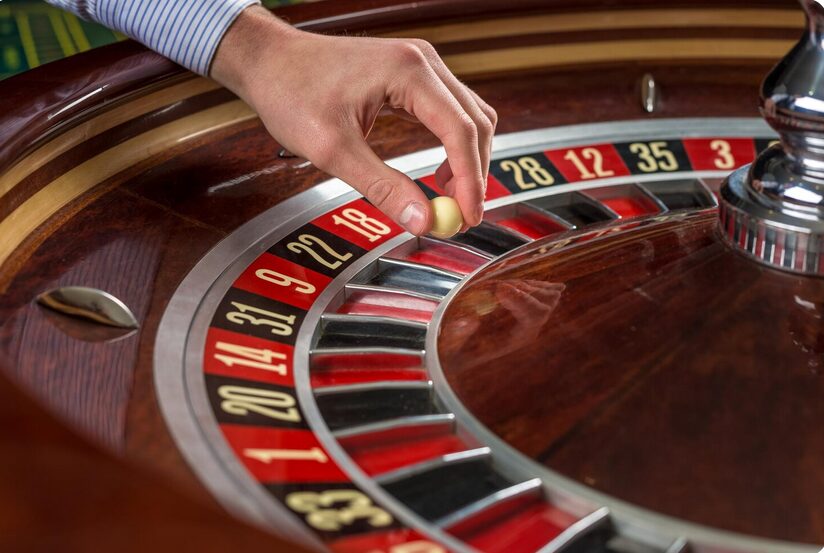
Roulette is often seen as a game of pure chance, but not all versions are equal. European roulette features a single zero, giving it a house edge of approximately 2.7%. American roulette, which includes both a single zero and a double zero, increases the house edge to about 5.26%. Choosing the European version nearly halves the casino’s advantage. While roulette does not allow strategic influence over spin results, players can select outside bets such as red/black or odd/even to increase the probability of winning individual rounds. The payouts are smaller, yet the likelihood of success is higher compared to single-number bets. Selecting the correct version of the game significantly affects overall value.
Video Poker
Video poker blends slot machine speed with poker hand rankings, and it stands out for offering some of the strongest odds available. Certain versions, such as “Jacks or Better,” can reduce the house edge to below 1% when optimal strategy is applied. Some pay tables even approach a break-even point. Unlike slots, video poker outcomes depend partly on player decisions regarding which cards to hold or discard. Learning payout tables and applying a consistent method dramatically influences results. The pace of the game also allows players to think before confirming each hand, adding an element of control absent in standard slot machines.
Casino gaming blends entertainment with probability, and understanding mathematical structure changes how players approach each table. Blackjack, baccarat banker bets, selective craps wagers, European roulette, and certain video poker variations offer comparatively low house edges. By focusing on these options and applying consistent strategies where applicable, players can reduce long-term disadvantage. Although chance always remains part of the experience, informed decisions create a more controlled environment. Recognizing how house edge and payout percentages function allows participants to approach gaming with clearer expectations and improved awareness.