
Uncategorized

Wettstrategien für die EM 2024 – Rückblick und Vorbereitung auf 2028

Das Kernproblem: Fehlende Datenbasis und überhitzte Märkte

Im Sommer 2024 war das Spielfeld der Buchmacher ein Dschungel aus Last-Minute-Quoten und unvorhersehbaren Laufzeiten. Viele Spieler verließen sich blind auf Formkurven, ignorierten jedoch die statistischen Lücken, die sich aus unvollständigen Spieleranalysen ergaben. Das Ergebnis? Unkalkulierbare Verluste.

Strategie‑Patch 1: Fokus auf In‑Play‑Wertschöpfung

Hier ist der Deal: Während die meisten Still‑Wetten platzieren, sprich die Besten, wechseln dynamisch zu In‑Play‑Handeln, sobald sich das Spielgeschehen ändert. Das bedeutet, du musst das Spiel im Kopf visualisieren, die Taktik des Trainers interpretieren und sofort reagieren. Kurz gesagt, du nutzt das Zeitfenster zwischen gegnerischem Freistoß und Wiederbeginn, um günstige Quoten abzusichern.

Strategie‑Patch 2: Historische Vergleichsmodelle aus 2008–2016

Ein kurzer Blick zurück liefert goldene Nuggets. Verglichen mit den Turnieren von 2012 und 2016 zeigen sich Muster: Länder, die im Vorrunden-Mittelfeld dominieren, tendieren dazu, im Halbfinale zu überhitzen. Daher baue ein Modell, das diese “Spannungs‑Spiralen” quantifiziert, und setze gezielt auf Under‑/Over‑Wetten, wenn das Muster ausbricht.

Strategie‑Patch 3: Das „Late‑Goal‑Trigger“-Prinzip

Beim EM‑Finale 2024 kam ein plötzliches Tor in der 85. Minute – ein Signal für das Risiko‑Spiel. Die Idee: Wenn das Spiel über 75 Minuten ausgeglichen bleibt, öffne eine Wette auf das nächste Tor, weil die Wahrscheinlichkeit für ein Last‑Minute‑Tor statistisch steigt. Dieser Trigger ist deine Geheimwaffe, wenn er richtig timet wird.

Tool‑Tipps: Datenfeeds und KI‑Analysetools

Ein gutes Datenfeed‑Abo reduziert das Informationsdefizit. Kombiniere das mit einer KI‑Plattform, die Text‑ und Bilddaten aus den Pressekonferenzen auswertet. So bekommst du Insights, die normale Quotenmacher nicht haben. Und nein, du brauchst keinen teuren Enterprise‑Plan – ein einfacher Cloud‑Service reicht aus.

Finanzmanagement: Der Killer‑Rule‑Set

Setz dir ein absolutes Verlustlimit pro Spiel, das nicht überschritten wird – das ist dein “No‑Go‑Zone”. Jede Wette, die das Limit sprengen würde, wird sofort abgelehnt. Zusätzlich, benutze das Kelly‑Kriterium, um deine Einsatzgröße zu bestimmen, statt das alte 5‑%‑Rule‑of‑Thumb.

Psychologie: Vermeide das „Buchmacher‑Flüstern“

Wenn du das Gefühl hast, dass ein Buchmacher dir “zu gute” Quoten anbietet, bist du in einer Falle. Das ist das klassische „Buchmacher‑Flüstern“, das dich verleiten will, zu viel zu riskieren. Halt dich streng an deine Strategie, und lass dich nicht von der Euphorie des Turniers ablenken.

Der Blick nach vorn: Vorbereitung auf 2028

Jetzt kommt das eigentliche Ziel: Nutze die gesammelten Learnings aus 2024, um bereits 2025 ein Fundament für 2028 zu legen. Starte mit einem Test‑Framework, das jede Saison ein Update bekommt. So bist du in vier Jahren nicht nur vorbereitet, sondern hast einen Schritt Vorsprung.

Letzter Schuss: Setz deine erste In‑Play‑Wette bei einem ausgeglichenen Spiel in den letzten 10 Minuten – sofort handeln.

Uncategorized

Understanding First Bet Insurance vs. Bet and Get Promotions

The core dilemma

You’ve seen the banners, the flashing ads, the promise of a safety net, but you keep asking: which one actually protects my pocket? Here’s the raw truth—first bet insurance is a straight‑up cushion, while bet‑and‑get is a reward loop that feeds your ego.

First Bet Insurance decoded

Picture this: you place a modest stake on a soccer match, the odds are decent, you’re nervous. The casino says, “If you lose, we’ll refund you up to $100.” That’s first bet insurance, a single‑use guarantee baked into the wager. No strings, just a one‑time rebate if the dice roll against you.

By the way, the refund isn’t always cash. Some operators hand you a free bet, a bonus credit, or a “play‑through” coupon that forces you to bet again before cashing out. The key is the insurance caps—usually a percentage of your stake, sometimes a flat amount.

Bet and Get promotions unpacked

Now flip the script. Bet‑and‑get is a repeat‑play program. You wager, you win a reward, you wager again, and the cycle spins. The reward can be anything from extra betting credits to entry into a weekly raffle. It’s a loyalty loop, not a safety net.

And here is why it matters: bet‑and‑get thrives on volume. The more you spin, the bigger the pile of perks. But if you’re a cautious bettor, those incremental bonuses might never translate into real cash because of rollover requirements.

Risk vs. reward – the math

Crunch the numbers. First bet insurance gives you a deterministic maximum loss—$100, $200, whatever the fine print says. Bet‑and‑get, on the other hand, offers a probabilistic upside. You could walk away with a $10 bonus after three losses, or you could chase a $500 prize and never see it.

Look: if your bankroll is thin, the insurance model is the safer ally. If you have a cushion and love the thrill of chasing bonuses, bet‑and‑get can juice your excitement and, occasionally, your earnings.

Hidden traps you shouldn’t ignore

The fine print on insurance often hides a “maximum payout” clause. It’s not a blanket refund; it’s a capped rebate. Meanwhile, bet‑and‑get promotions love “play‑through” requirements—bet ten times the bonus before you can cash out. That’s a sneaky way to keep your money in the house.

One more thing: some sites swap the terms mid‑season. You start with a first bet insurance offer, then they replace it with a bet‑and‑get campaign, hoping you won’t notice the shift. Stay sharp.

Choosing the right side for you

If you’re after peace of mind, lock in a first bet insurance offer from a reputable bookmaker. bet-promotion.com lists the best deals, and you can compare caps instantly.

If you crave the chase, hunt for bet‑and‑get promotions with low rollover and high frequency. The sweet spot is a weekly cycle where the reward triggers after three bets, and the bonus is at least 10% of your stake.

Bottom line: match the promo to your risk appetite, read the fine print, and don’t let the glitter hide the math. Next move: pick a promo that matches your bankroll and lock in your first win.…

Casino

Popular Casino Games with the Best Odds for Players

Bright lights, ringing chimes, spinning wheels, and stacked chips create an atmosphere charged with anticipation. Yet beneath the glamour and spectacle lies a quieter truth: casino games are governed by mathematics. Every wager carries a built-in house edge, and that slim percentage determines how much a casino expects to retain over time. For players who prefer strategy over pure impulse, understanding odds becomes essential. Popular Casino Games with the Best Odds for Players are those where the house advantage is comparatively low, giving participants a stronger statistical position. While luck remains unpredictable, informed choices can shift the long-term balance slightly closer to the player’s side, offering a more calculated gaming experience.

Blackjack

card Blackjack consistently ranks as one of the most favorable games in a casino environment. When basic strategy is followed, the house edge can drop to around 0.5% in many standard versions. Unlike games based purely on chance, blackjack incorporates decision-making. Players choose whether to hit, stand, double down, or split pairs. These choices influence outcomes and, when executed with discipline, reduce the casino’s advantage.

Rule variations matter. Fewer decks, dealer stands on soft 17, and the ability to double after splitting can slightly improve player odds. While card counting is often dramatized, even simple strategy charts can significantly improve performance compared to random play. Blackjack appeals to those who enjoy a blend of probability and tactical thinking.

Baccarat

Baccarat may appear exclusive, often associated with high-limit tables and formal settings, but its rules are straightforward. The game offers three primary betting options: Player, Banker, and Tie. Statistically, betting on the Banker hand provides one of the lowest house edges in the casino, typically around 1.06%, even after the commission is applied. The Tie bet, by contrast, carries a much higher house advantage and is generally less favorable. For individuals seeking minimal decision-making combined with steady odds, baccarat offers simplicity. There are no strategic adjustments required after placing a wager. The outcome depends entirely on predetermined drawing rules, which removes guesswork and reduces emotional interference.

Craps (Certain Bets)

Craps can look intimidating due to its busy table layout and energetic crowd, yet certain bets within the game provide excellent value. The Pass Line and Don’t Pass bets carry house edges close to 1.41%, making them relatively player-friendly. Even stronger odds appear when players take advantage of “odds bets,” which are additional wagers placed behind a Pass or Don’t Pass bet after a point is established. These odds bets typically have zero house edge, meaning the payout reflects true mathematical probability. Although the overall result still includes the base wager’s edge, incorporating odds bets improves the average return. Avoiding high-edge proposition bets is key to maintaining favorable conditions.

European Roulette
ball

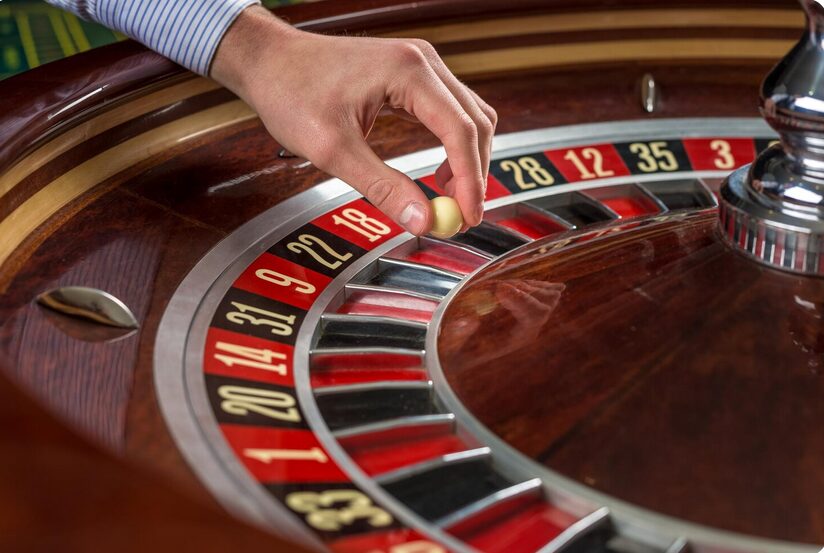
Roulette is often seen as a game of pure chance, but not all versions are equal. European roulette features a single zero, giving it a house edge of approximately 2.7%. American roulette, which includes both a single zero and a double zero, increases the house edge to about 5.26%. Choosing the European version nearly halves the casino’s advantage. While roulette does not allow strategic influence over spin results, players can select outside bets such as red/black or odd/even to increase the probability of winning individual rounds. The payouts are smaller, yet the likelihood of success is higher compared to single-number bets. Selecting the correct version of the game significantly affects overall value.

Video Poker

Video poker blends slot machine speed with poker hand rankings, and it stands out for offering some of the strongest odds available. Certain versions, such as “Jacks or Better,” can reduce the house edge to below 1% when optimal strategy is applied. Some pay tables even approach a break-even point. Unlike slots, video poker outcomes depend partly on player decisions regarding which cards to hold or discard. Learning payout tables and applying a consistent method dramatically influences results. The pace of the game also allows players to think before confirming each hand, adding an element of control absent in standard slot machines.

Casino gaming blends entertainment with probability, and understanding mathematical structure changes how players approach each table. Blackjack, baccarat banker bets, selective craps wagers, European roulette, and certain video poker variations offer comparatively low house edges. By focusing on these options and applying consistent strategies where applicable, players can reduce long-term disadvantage. Although chance always remains part of the experience, informed decisions create a more controlled environment. Recognizing how house edge and payout percentages function allows participants to approach gaming with clearer expectations and improved awareness.…